
Before Daybreak

“Toward morning, while it was still very dark, he got up and went out to a deserted place, where he prayed.”Mark 1:35 · translation from Louis Segond 1910
We often wait until we can see clearly before we begin.
We wait for the right idea, for doubt to fall silent, for circumstances to finally align. Then we will take that step, have that conversation, make room for a different way of living.
In Mark’s Gospel, Jesus rises while it is still dark. The evening before, many people had come to him. He leaves and withdraws to a quiet place to pray. Day has not yet broken, but he is already on his way.
That detail stays with me. He does not first try to keep the momentum of the previous evening going. He makes space where no one is asking anything of him. Space to listen before responding.
Perhaps we do not need perfect light to take the next step. Sometimes we need only to pause, let our eyes adjust to the darkness, and move forward with the clarity we have.
Day will come. In the meantime, we can already rise.
Five real tasks to evaluate an AI tool

Announcements and rankings tell us little about whether a tool belongs in our work. A simple test is to give it five tasks we actually do.
1. Pick five representative examples: summarize a text, draft a reply, organize an idea, translate a paragraph, or review a document.
2. Give each tool the same instructions and materials, leaving out confidential information.
3. Compare what matters to us: accuracy, following instructions, clarity, tone, and the time needed to correct the result.
The best tool is the one that helps with our work and produces something we can check. There is no need to test everything at once: two tools and five concrete examples are enough to see what actually helps.
AI designs a device. Manufacturing brings the details back.
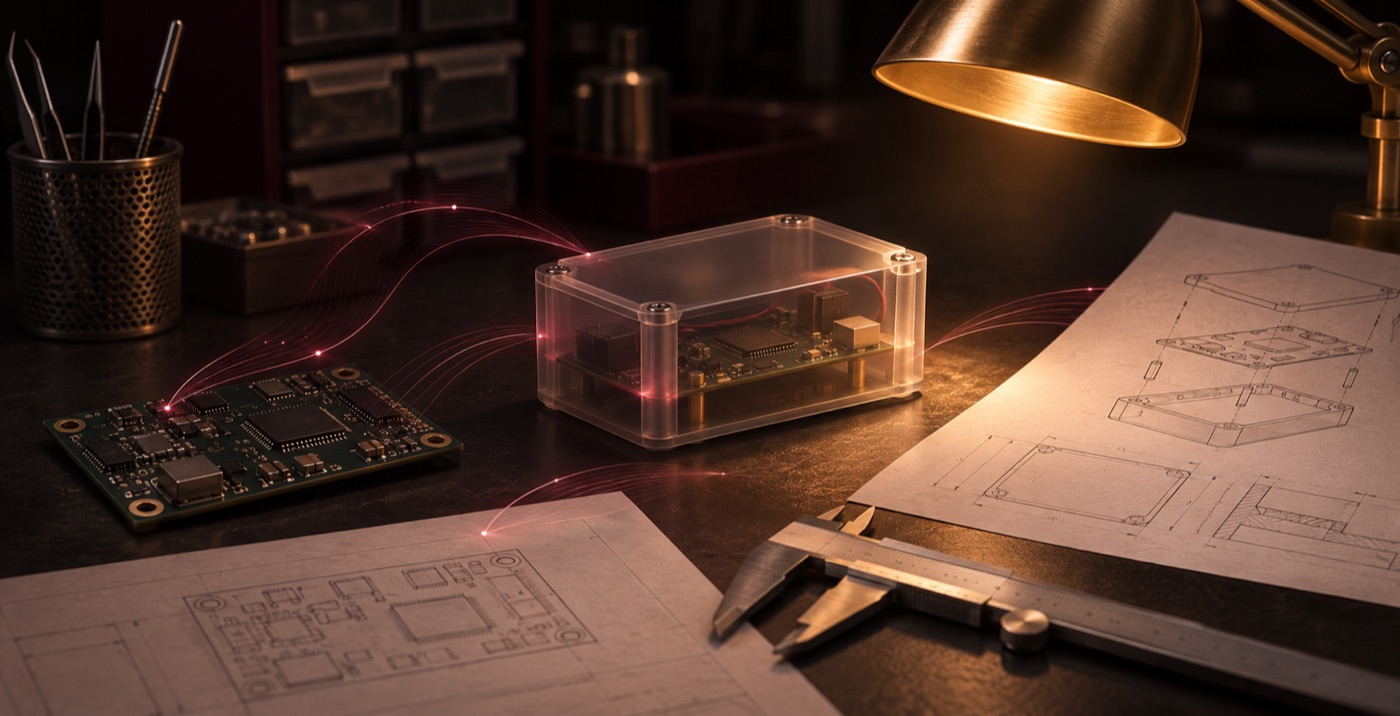
OpenAI reports today that its models helped two people design a small electronic device for talking to Codex in under a week. A manufacturer then produced a small batch of prototypes in under a month.
The revealing detail: preparing it for manufacturing still took several rounds of human review. The AI did not consistently account for production limits, tolerances, or assembly details. A convincing design is not yet a product ready to make.
Source: OpenAI, November 3, 2026. This is a company-reported test; the image above is a conceptual illustration.